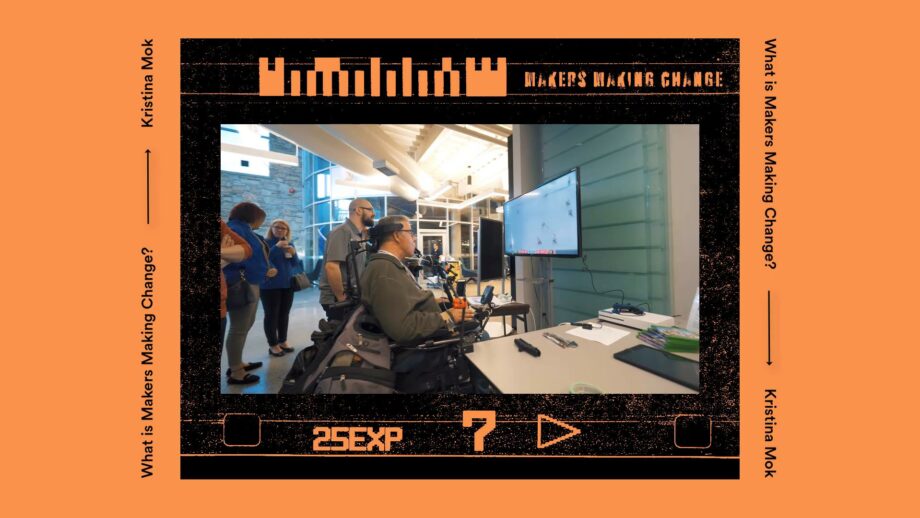
Makers Making Change
Makers Making Change are a Canadian organisation who connect people with disabilities to volunteer makers to build assistive technologies.
In this Make:able toolkit, we’ll be broadening your knowledge of assistive technology and 3D printing. This knowledge will not only inspire your design ideas but it will enable you to confidently discuss the potential of 3D printed assistive devices with your end user. Start by watching the overview video, then explore the interviews and example submissions provided.
Here are some interviews with various disability organisations. We recommend selecting and watching 2 or more of these. You might pick interviews from organisations that specialise in the same disability as your end user, or you might simply have an interest in the type of work they do. In addition to talking about the work of their organisation, each interview discusses the purpose and potential of 3D CAD and 3D printing for making assistive devices. Pay careful attention to what they say, as their insights can support you in talking to your own end user about 3D printing and assistive technology.
Makers Making Change are a Canadian organisation who connect people with disabilities to volunteer makers to build assistive technologies.
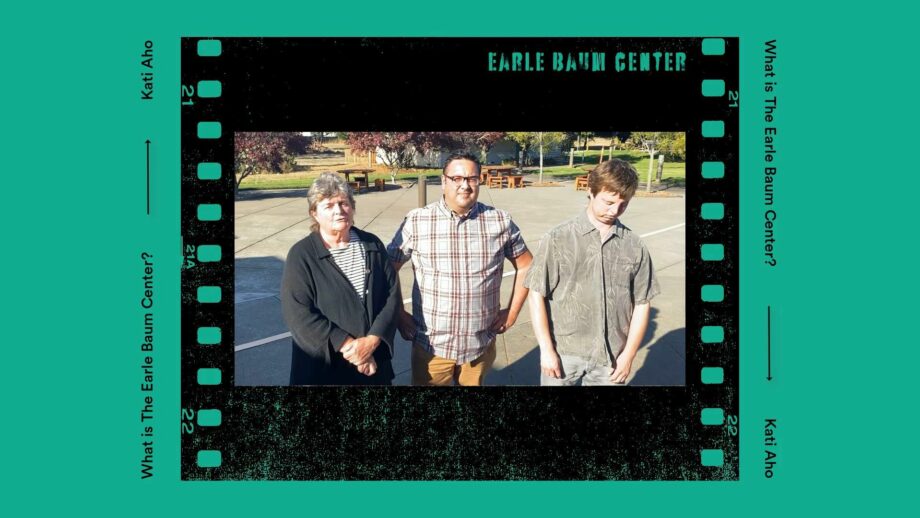
Earle Baum Center is a nonprofit regional community center in Santa Rosa, California. EBC helps people and families regain confidence, master new skills, contribute to their communities, and engage with technology.
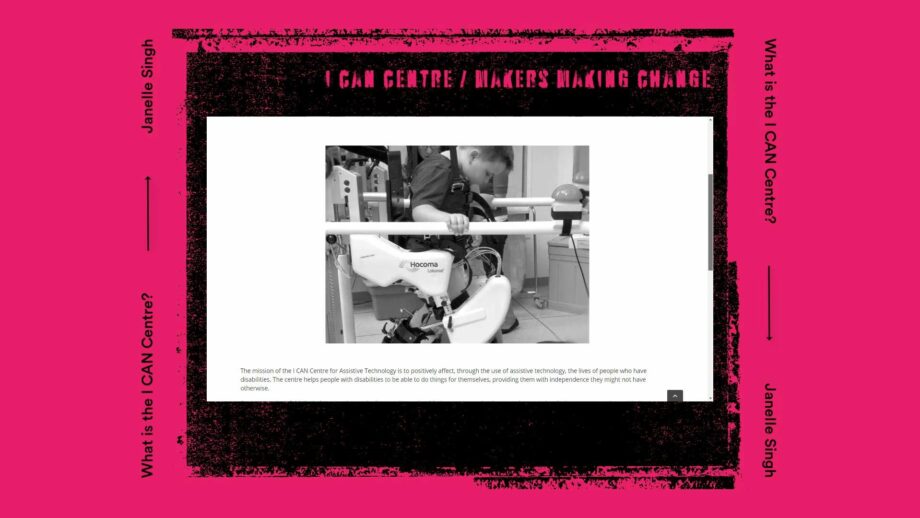
The mission for the I CAN Centre for Assistive Technology is to positively affect, through the use of assistive technology, the lives of people who have disabilities.
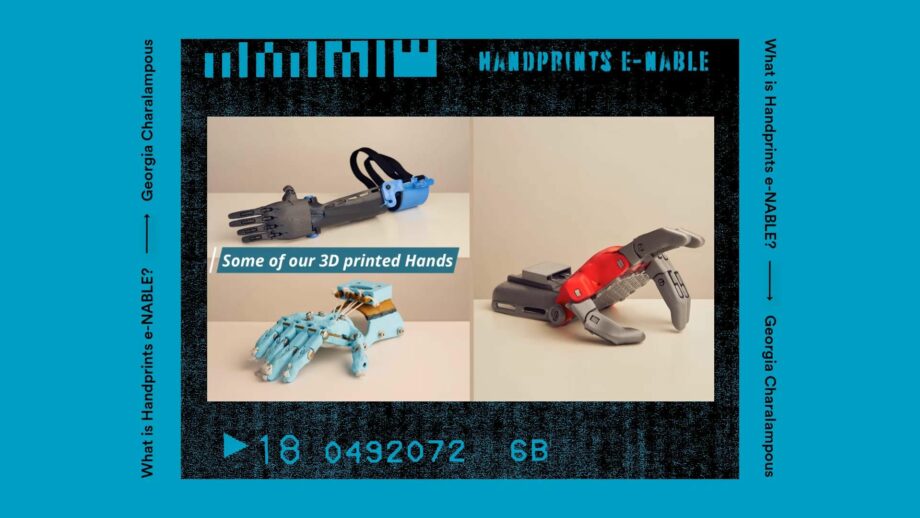
Handprints e-NABLE Scotland is a student-run organisation based at the University of Glasgow. They create 3D printed prosthetics completely free of charge for anyone who has need of one.
TechOWL is Pennsylvania’s designated Assistive Technology Act Program - one of 56 programs in the nation. They help people with disabilities explore the tools and technology they need to be independent.
In the following sections, you can explore a variety of past submissions in different areas of assistive technology. We suggest watching at least four of these. You might choose examples that address the same disability as your end user or ones that interest you based on the type of solution. As you watch the videos, focus not just on the final design, but also on the entire process, including how it was documented.
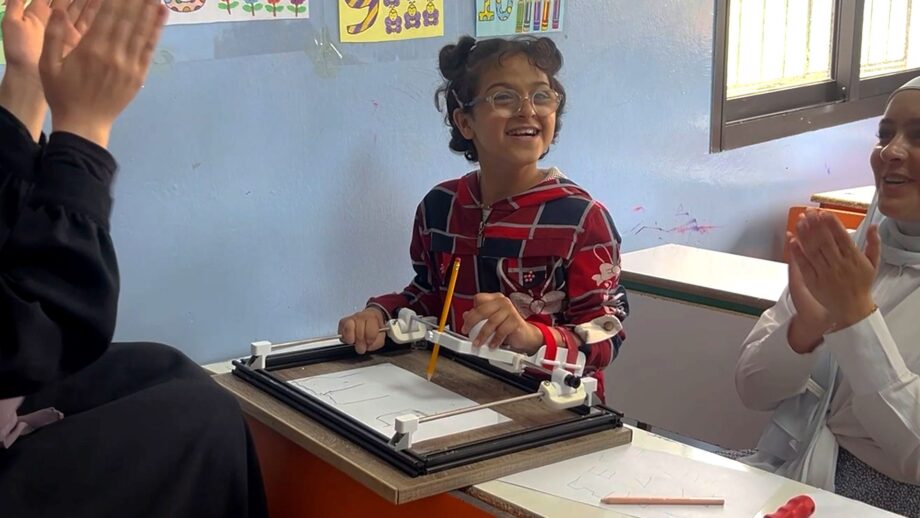
Team Hope Builder created an adaptive writing aid with a stabilising pen holder and smooth linear rail system to help a 10-year-old with hemiplegia write more easily and confidently at school.
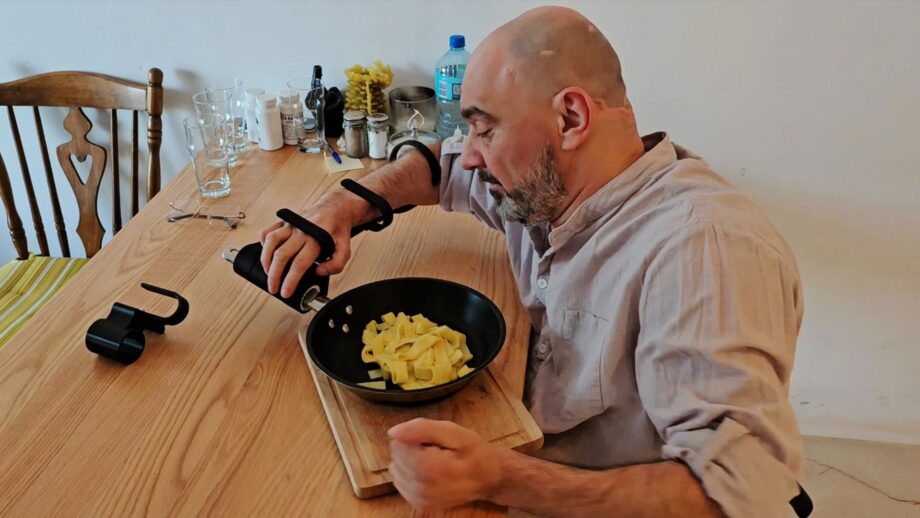
Maja, Gosia, Robert, Krzesimir and Piotr designed an adjustable gripper for Adam, who faces the challenges of tetraplegia. At the heart of their design lies a mechanism ingeniously driven by wrist movement, offering him newfound independence.
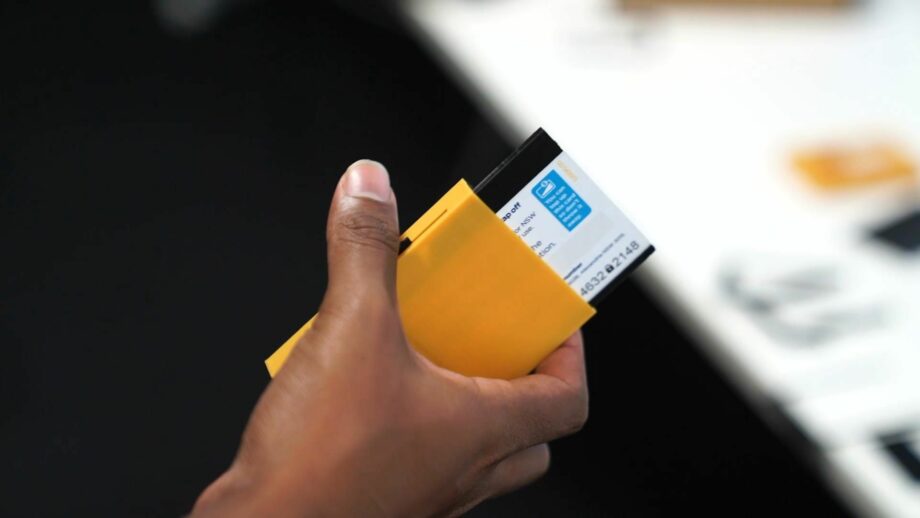
Adele, Biyon, Yingzhen, Yohan and Jamie aim to make it easier for people with dexterity issues to take cards out of their wallet.
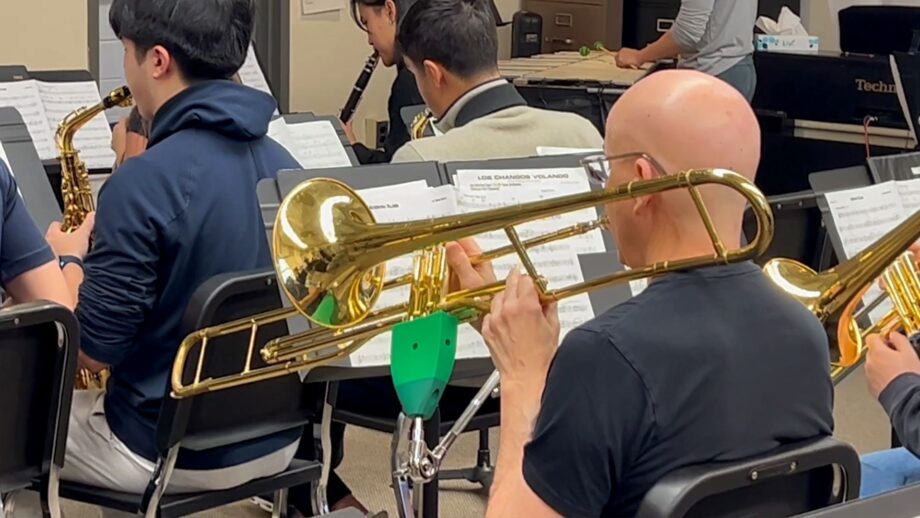
GripTrom is a 3D-printed, hands-free trombone support device that enables musicians with arthritis to play comfortably by mounting the instrument securely to a cymbal stand for pain-free performance.
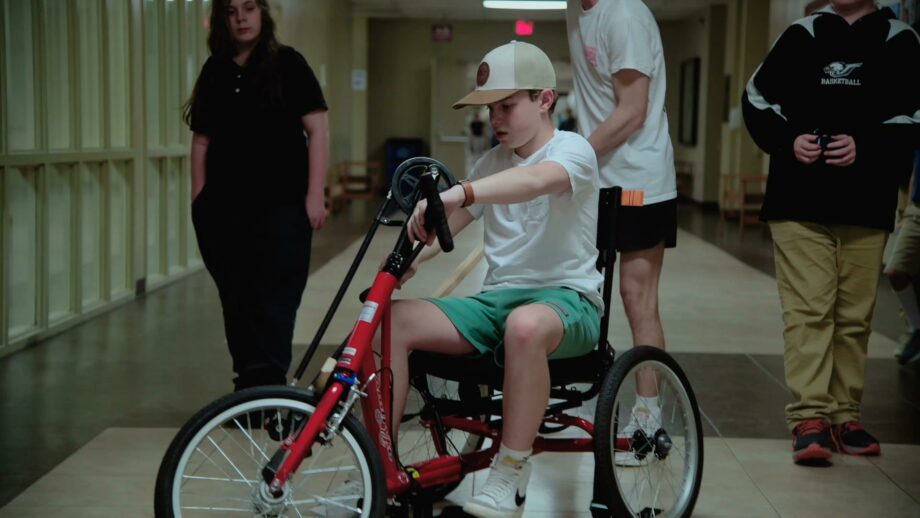
Ben, Joseph, Liam and Pierce wanted to help the therapy and learning center by making their new trike more maneuverable for the children and therapists.
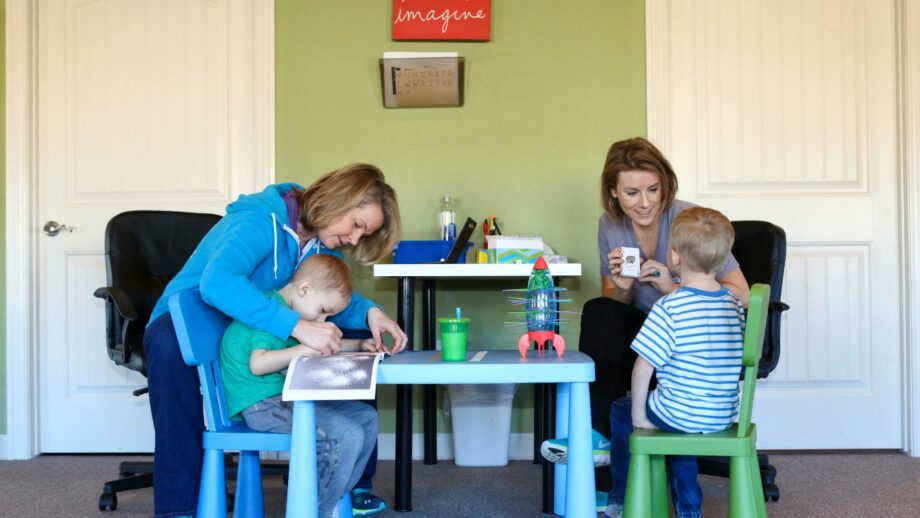
Collin, Felix and Isaiah worked closely with occupational therapists to develop a series of 3D printed marker grippers to help their young clients.
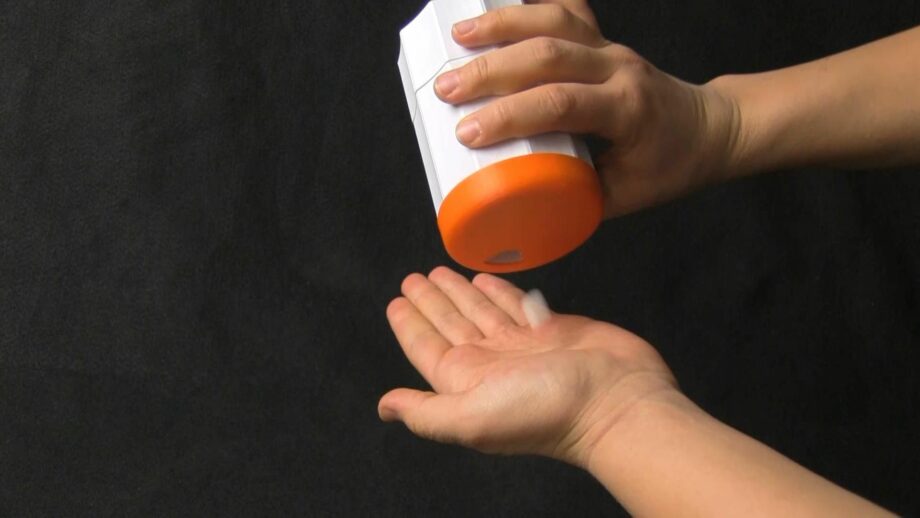
Libby, Opal, Tyler and Drew designed a pill dispenser for Steve, who has Parkinson's disease. The dispenser makes use of multiple components and materials, together with a spring mechanism that ensures only one pill is released at a time.
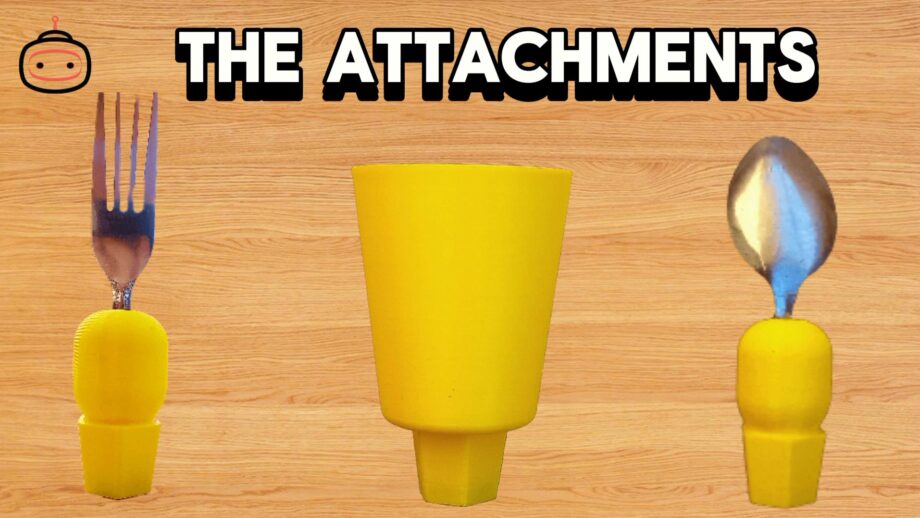
After observing Samir and his struggles with eating and drinking due to hand amputation, the team from RoboGeex Academy designed an interchangeable cuff solution. It includes a gripper attached to the hand and several attachments.

Team Tune Aid created a 3D-printed strumming aid that attaches to the hand with adjustable straps, enabling a guitarist with wrist arthritis to play comfortably without wrist or finger movement.

Team Michael adapted a go-kart with safety netting and a tactile steering wheel to give a young man with cerebral palsy and blindness the thrill of outdoor driving in a safe, inclusive, and engaging way.
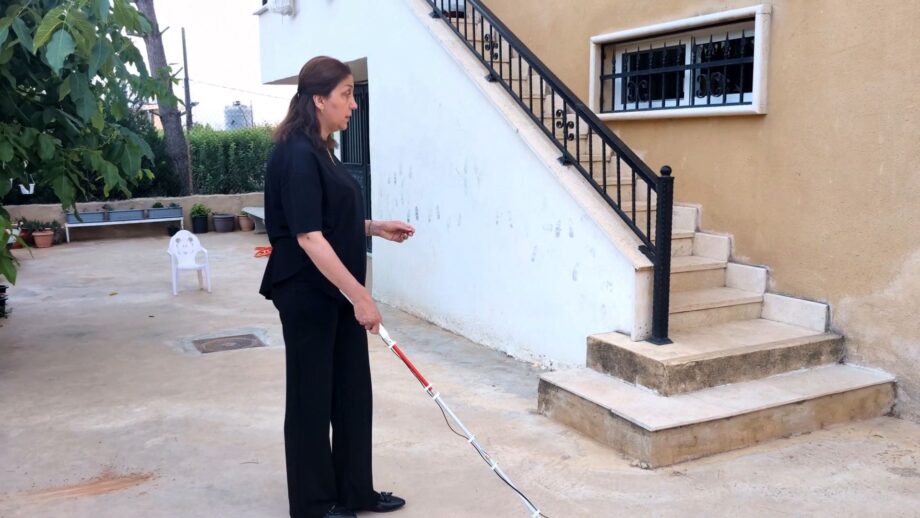
Team VIVID created a smart cane for a blind user that combines obstacle detection with vibration feedback and built-in emergency alerts to enhance safety, confidence, and independence.
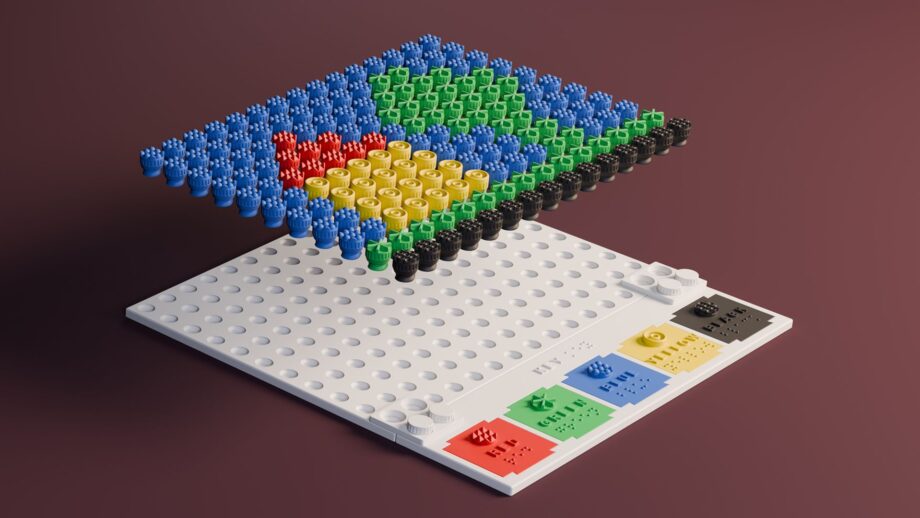
KIBO is a 3D-printed art board designed to make creative expression more accessible for visually impaired children.
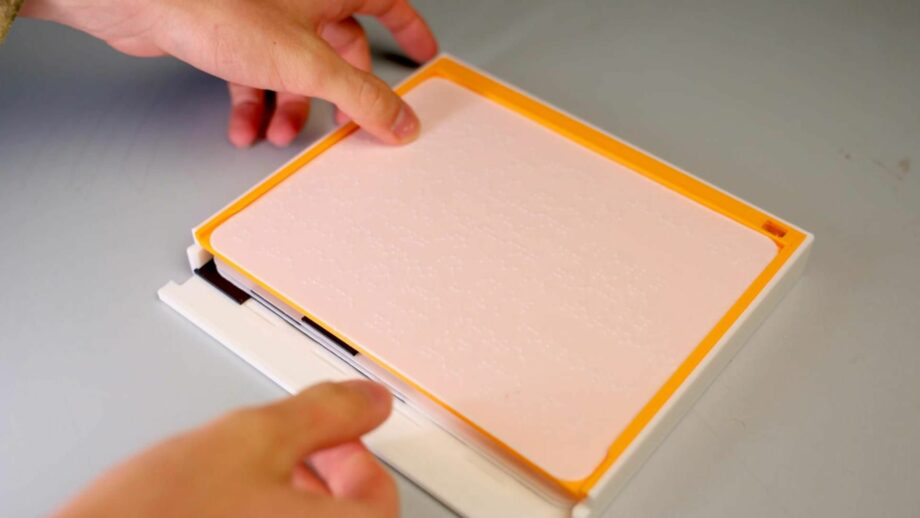
The 3D printed audible BraillePad is a tablet-like device that addresses the issues of dated manufacturing of Braille books and ineffective learning for the visually impaired.
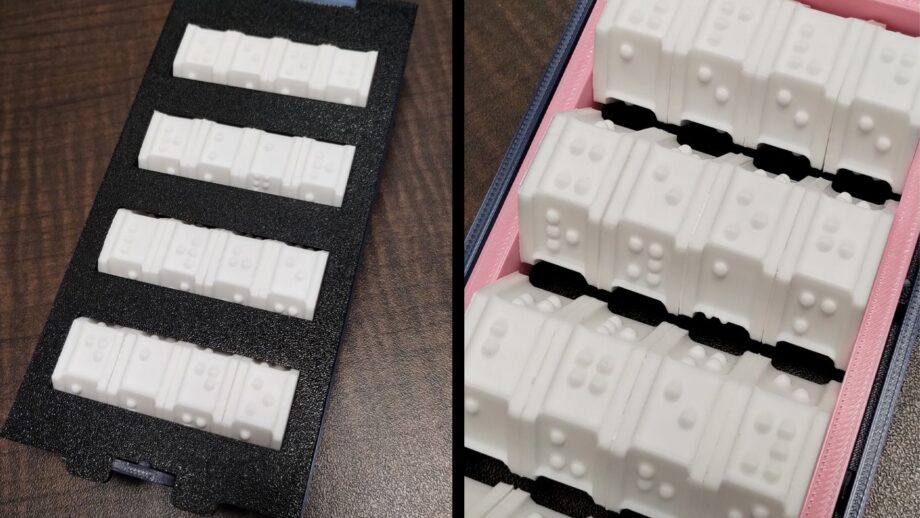
Luke, Grace and Sam designed a fully 3D printable braille version of the game Boggle. The device works by spinning the braille tiles, which are then locked in place by the lid and ready for gameplay.
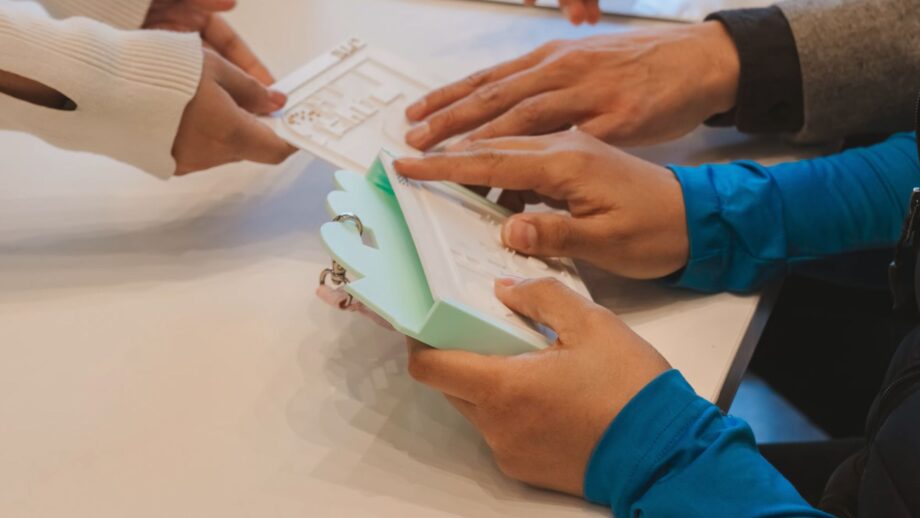
Team Lucky Seven developed tactile maps and a cloud-shaped lanyard case to help visually impaired visitors safely navigate the La Nube STEAM Discovery Center in El Paso, Texas.
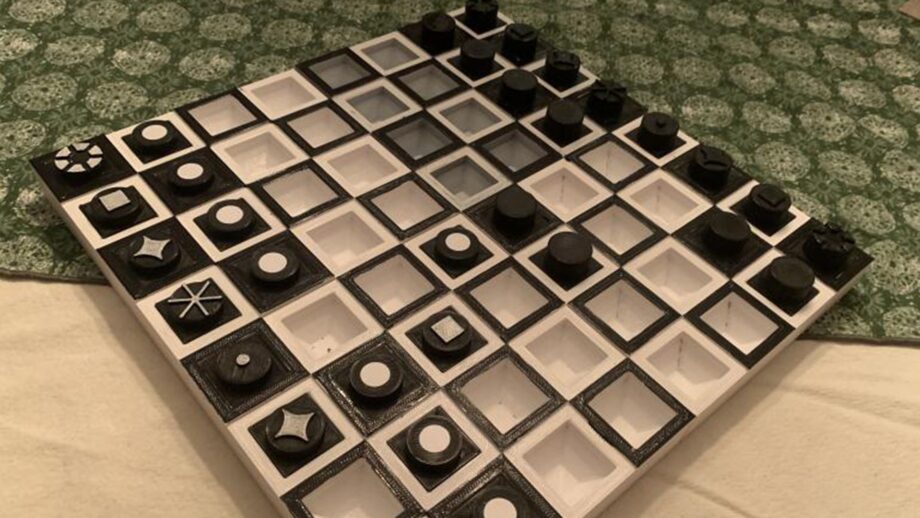
Shepard, River, Alex, Noah and Henry designed a tactile chess board for their end user Ed Summers, who has visual impairments.
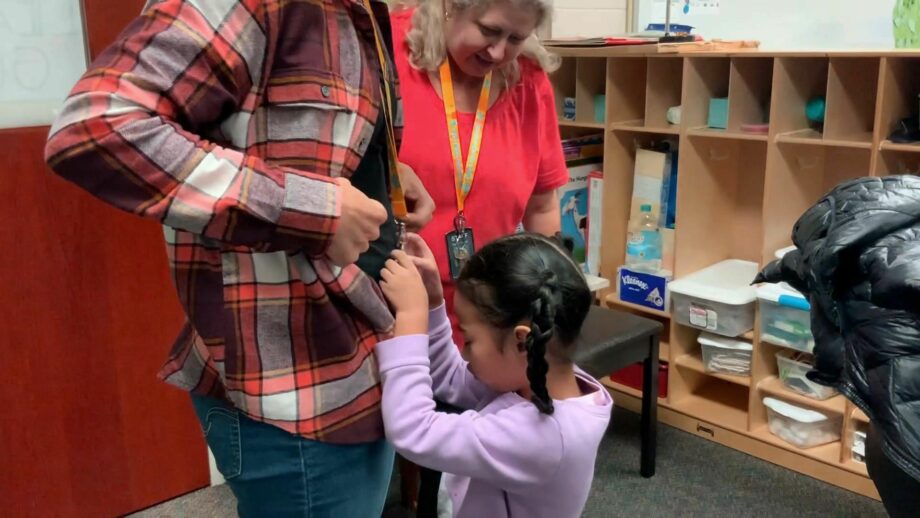
Joshua, Lilly and Enrique designed a learning device for Luti, a kindergartner who is blind and non-verbal, to help her identify who she is interacting with.
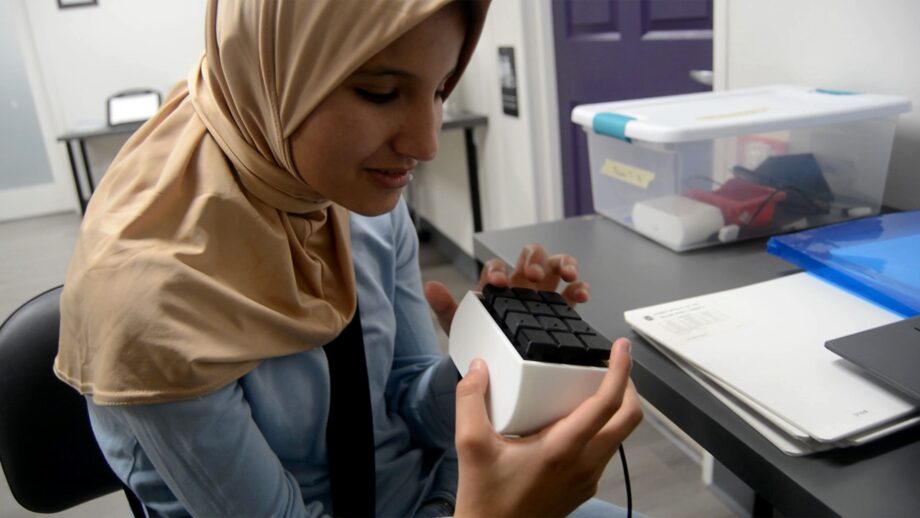
Team 7 created Touch Type, a 3D-printed, 12-key braille keyboard designed to give a visually impaired user an affordable, customisable, and open-source alternative to commercial devices.
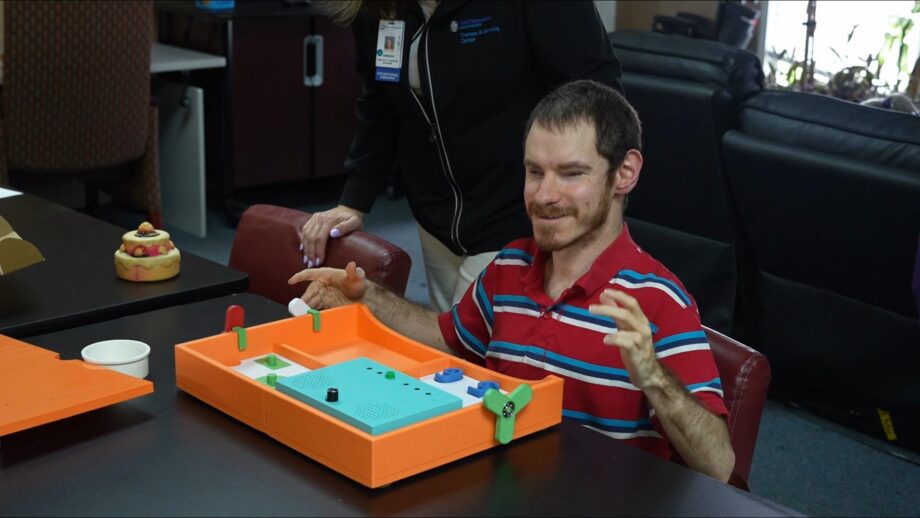
Allison, Joseph, Mia and Van designed a tactile tray with activities for a blind community member. The tray also includes a button activated music player with his favorite songs.

Team Schrodinger’s Cat created Sense, a custom RFID-based device that plays recorded audio messages when scanning tagged objects—helping a user with visual impairment identify items like medicine bottles safely and independently.
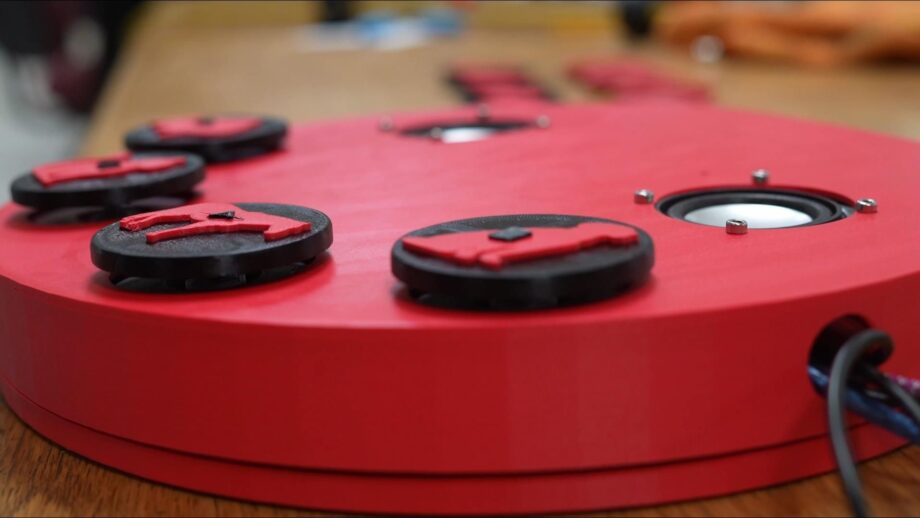
Renee loves to listen to music but cannot use a regular music player. David, David and Jackson made it their goal to design a music player specifically for Renea's needs by adapting the Makers Making Change accessibility switch.
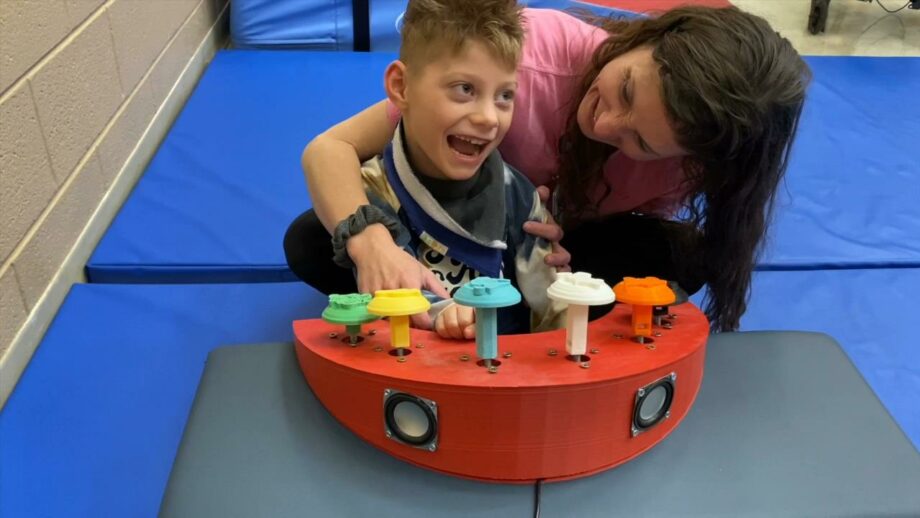
Abby, Cooper, Jackson, Lawson and Nora made Dawson a Disney-themed lap-toy with specially adapted sound toggles.
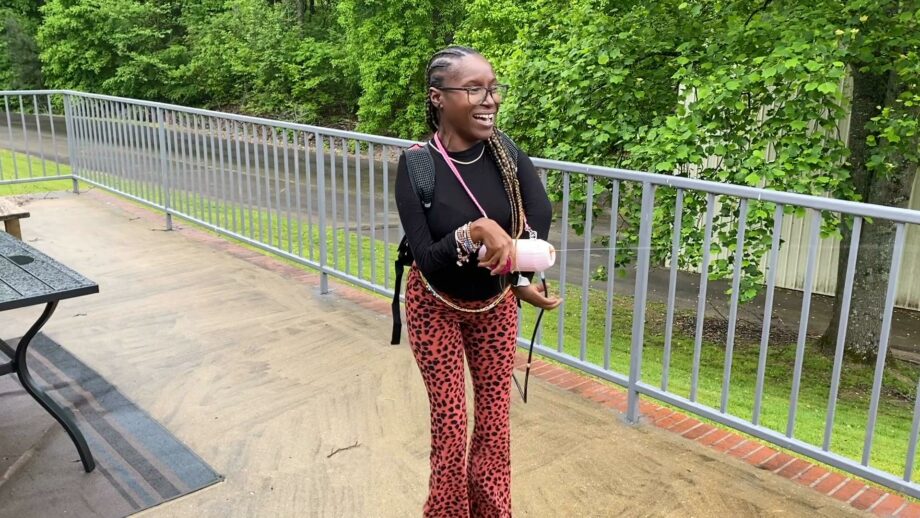
Amelia, Amelia, Ella and Ellie designed a one-of-a-kind water gun for their client Callie, who has arthrogryposis.
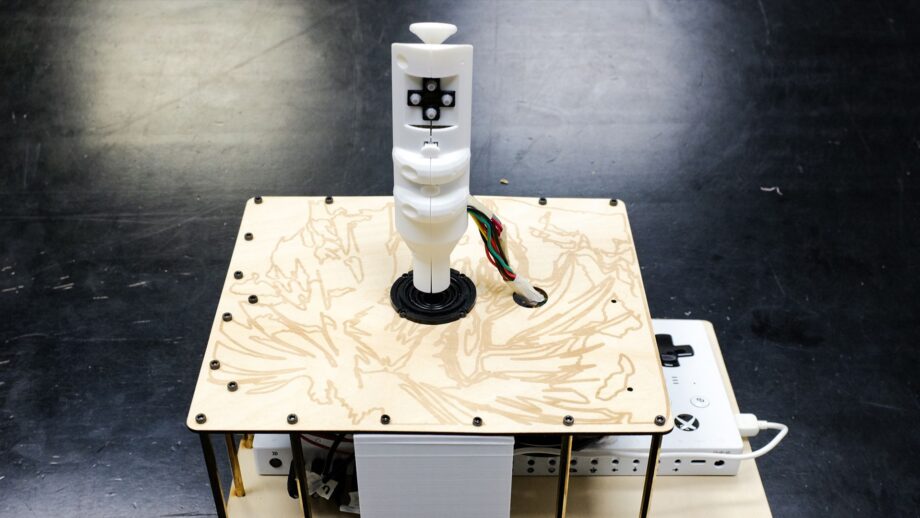
The One Hand Wins joystick is designed to support Mitchner to play Xbox games with one hand. It makes use of the Xbox Adaptive Controller to interface between the joystick and the console.
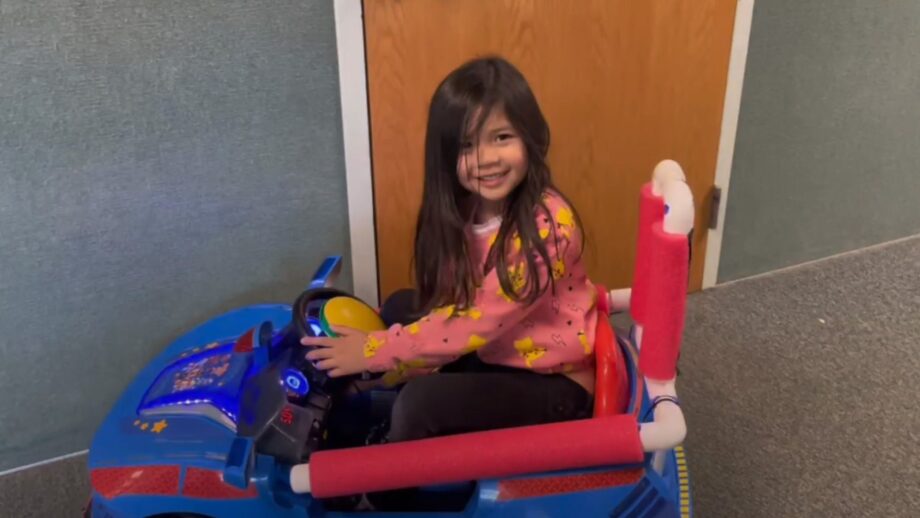
Lorelei, Marco, Skylar and Mikaela created several adaptions to a toy car for Nathan - a 4 year old boy with cerebral palsy.
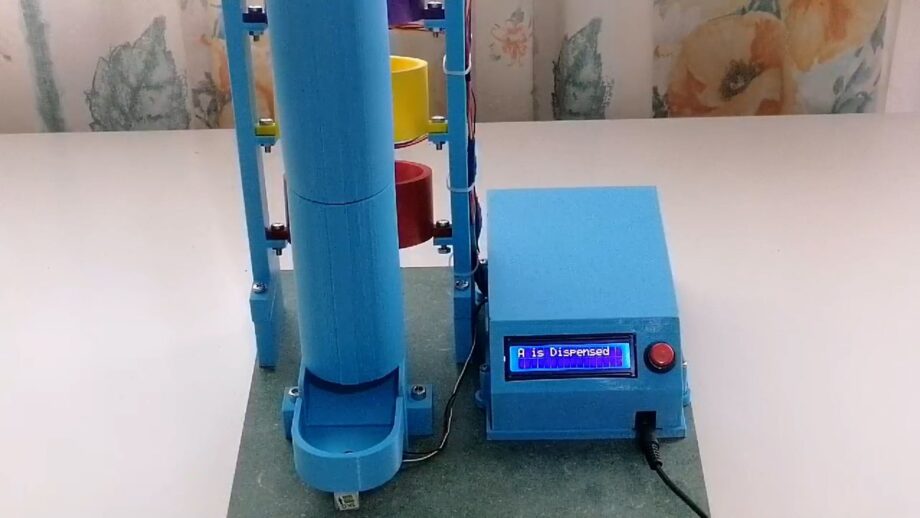
Ahmad, Nabil, Osama and Maysoon designed a pill dispenser for the elderly to help them take their medication on time. Users can set the device to dispense pills at specific times, and it will remind them with an alarm.
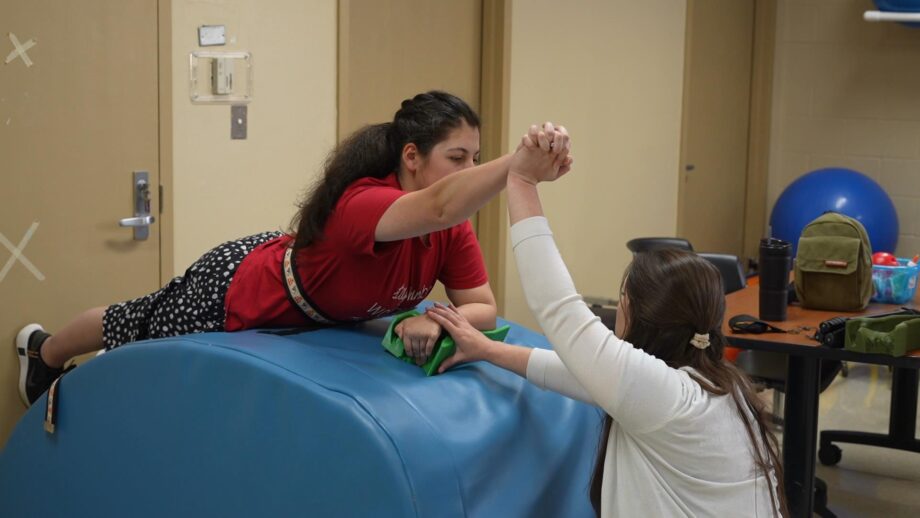
Christian, Greyson and Jake created a mold to help Kristen brace her hand in an open position as part of her exercises to regain mobility.
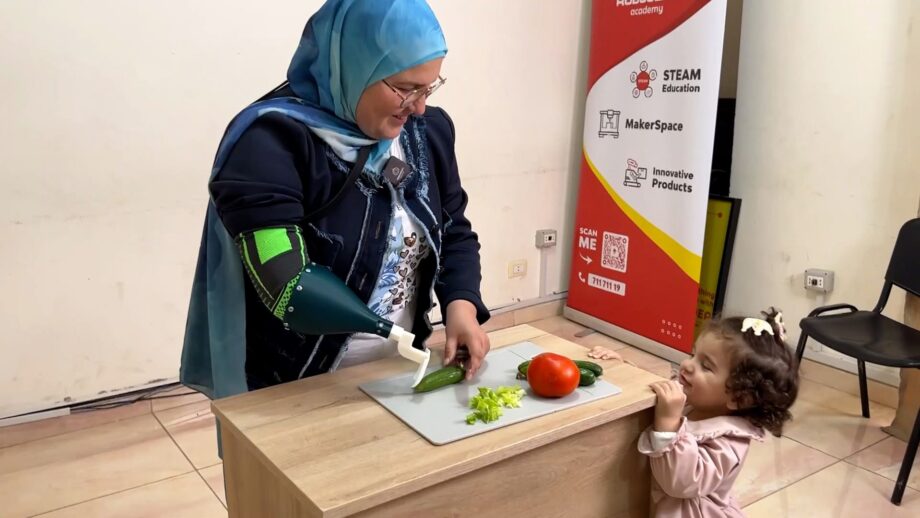
Team Creovate designed a lightweight, multi-functional assistive device for Karima, a mother with partial arm loss, to support her in daily tasks like brushing her daughter Jouri’s hair and preparing meals.
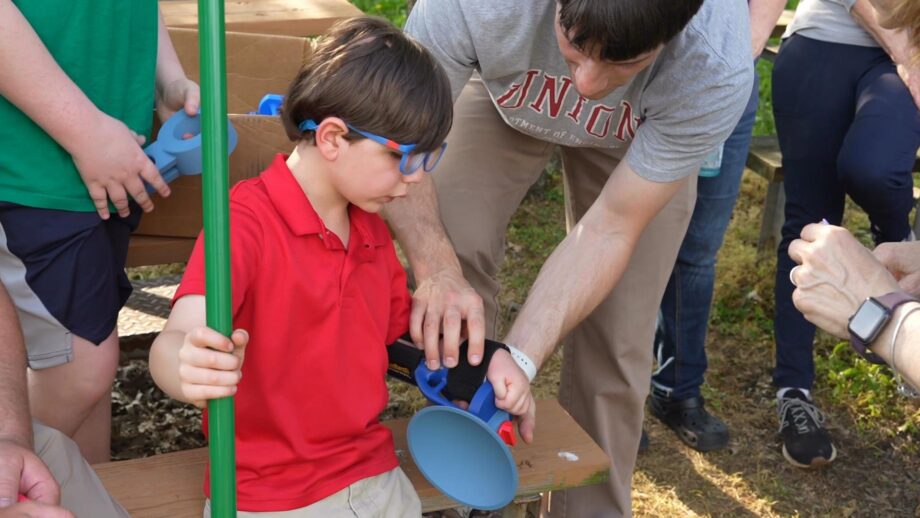
Harper, Joseph and Seth designed a customizable arm attachment for Joshua to help him catch a ball, use a broom, and better hold objects such as plates.
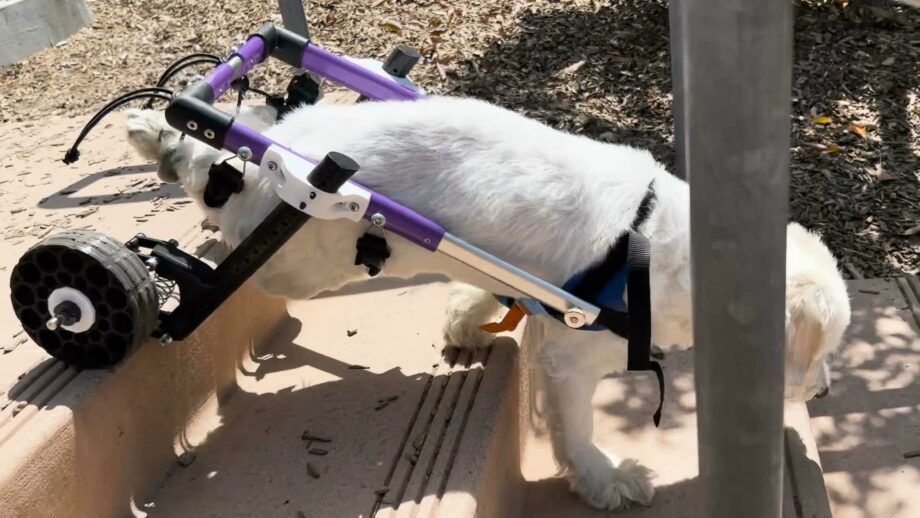
Kirsten, Akiles and Isaac adapted a dog wheelchair for their client Happy! The design uses compression springs with several support frames made from PLA filament, as well as new kind of wheel made from TPU filament to give the most comfortable ride possible to their furry friend.
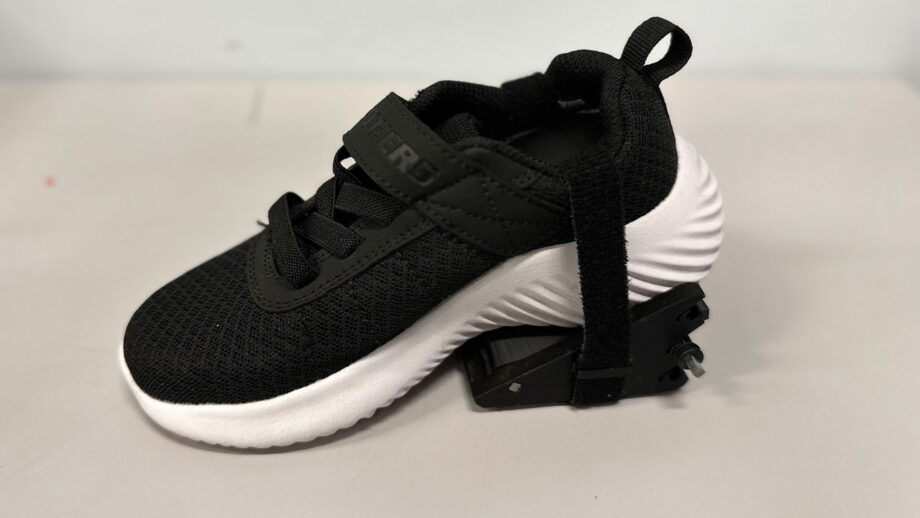
SureStep is an adjustable wedge support, which was designed for Darwin, who has a condition known as idiopathic toe walking. After seeking advice from an expert pediatrist, the team opted for a device that would load and support the heel from the exterior of the shoe.
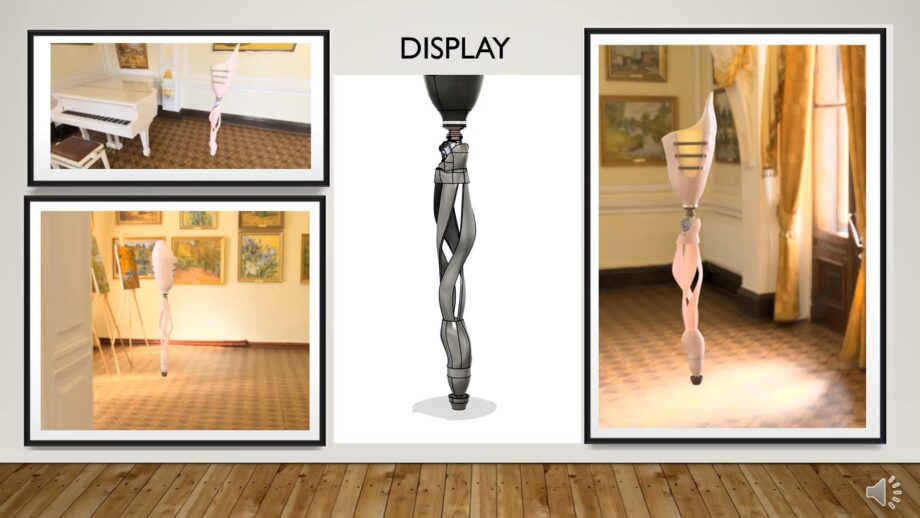
Renata designed a lower limb ballet prosthetic for above knee amputees. Driven by a survey conducted with a University dance society, Renata focused on the pirouette movement to inspire her dynamic design, which supports a rotational movement.
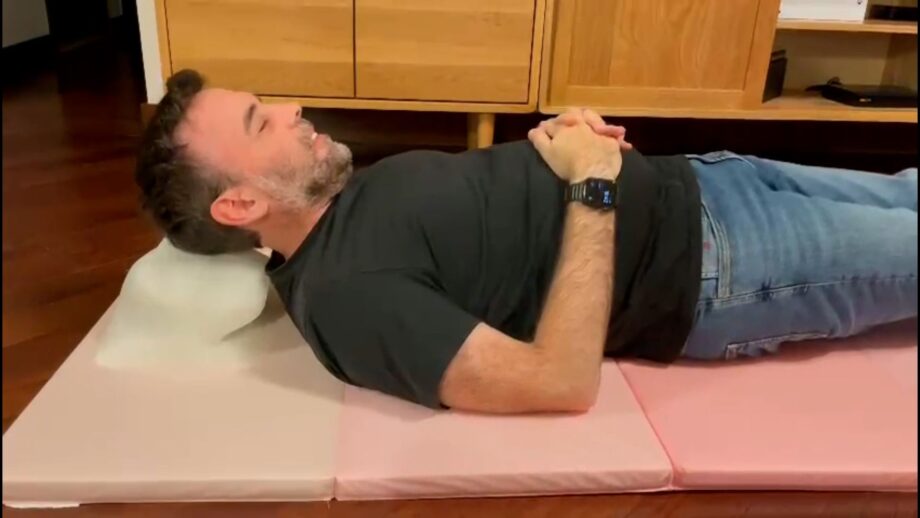
Kaylee, Audrey, Sophie and Catherine created an AI-powered headrest for their end user. The headrest is fitted with a speaker connected to Chat GPT to guide the user into specific exercises for back pain.
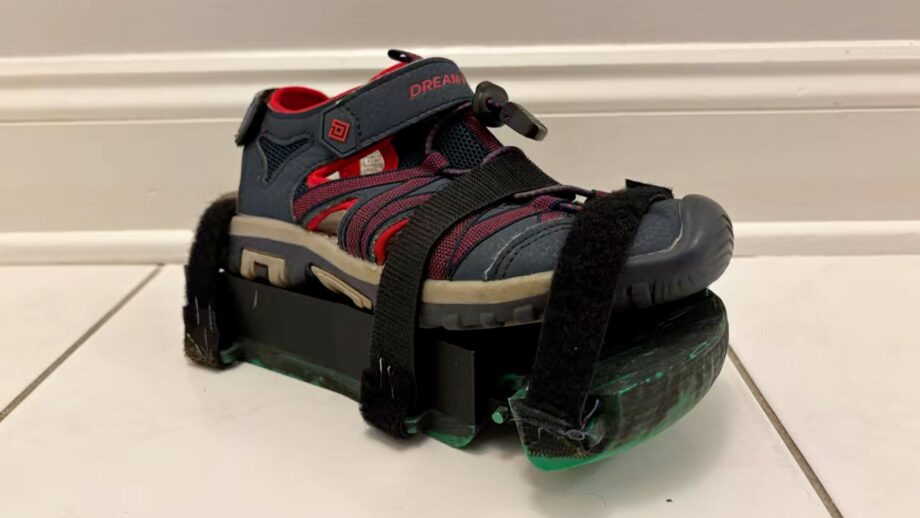
Team DKare created a 3D printed sandal attachment with a lateral lift to help a young athlete with femoral anteversion improve posture and comfort during movement.
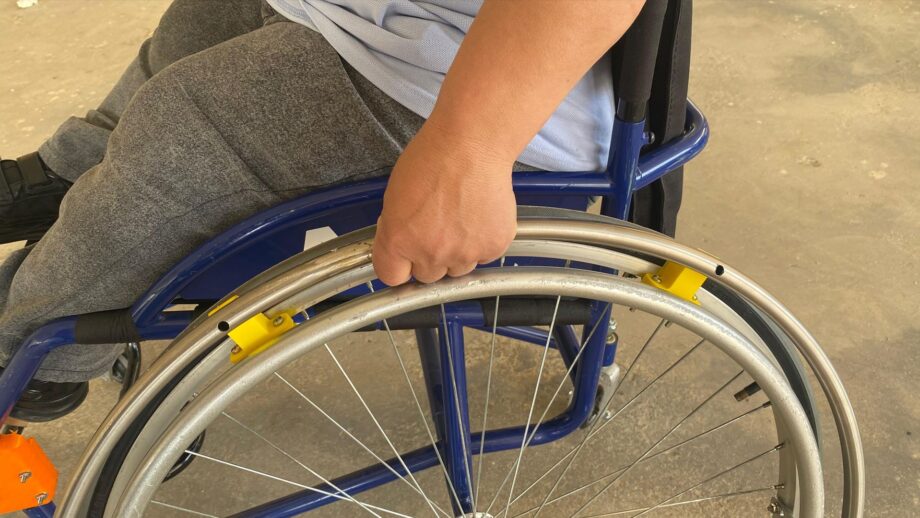
Team H&T Innovation redesigned a wheelchair rim for a basketball player with dwarfism, enlarging and repositioning it for easier reach and adding 3D-printed supports for a stable foot platform.
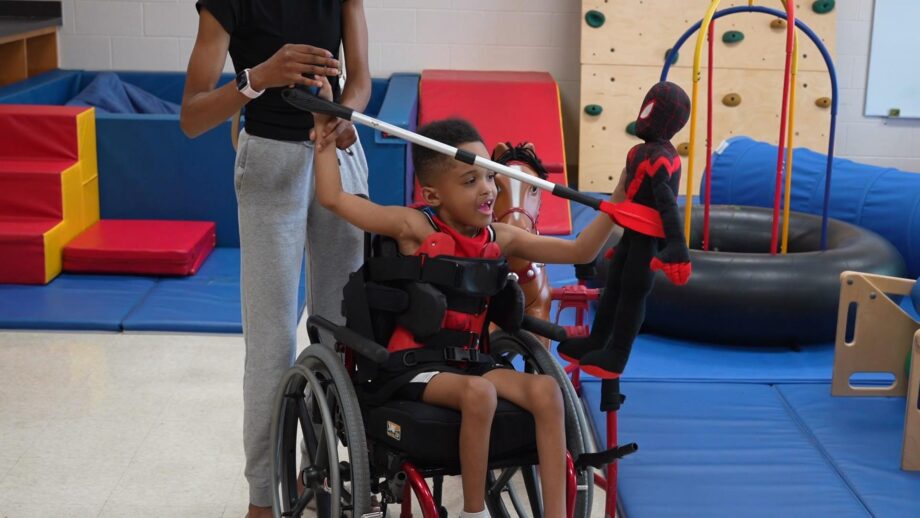
Andrew, Garrett, Jackson and Sawyer designed a grabber that allows Noah to pick up a wide range of objects from his wheelchair.
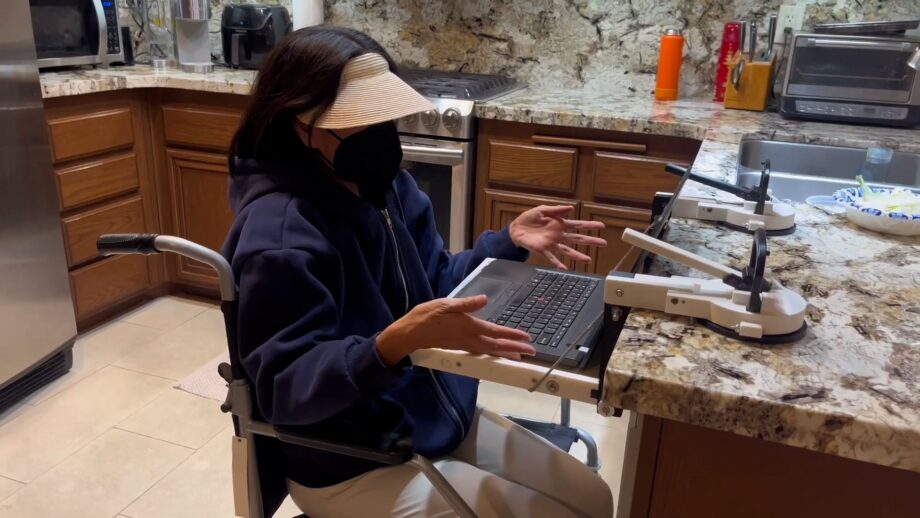
To combat the discomfort of the characteristics of tables being too tall and not be suitable for wheelchair users, Luke, Jasmine and George designed a portable foldable table that can stick onto any surface - perfect for on-the-go and permanent use.
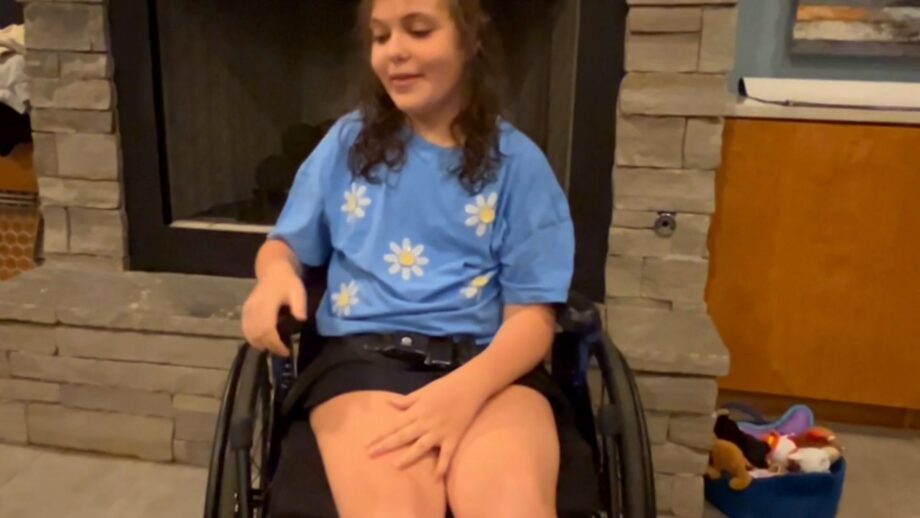
Despite receiving a new wheelchair, the team's client faced discomfort and safety concerns due to the removal of armrests for better wheel alignment. To address the issue, they designed a 3D printed bracket using Carbon PLA material, which securely fastens the armrests onto the wheel guides.
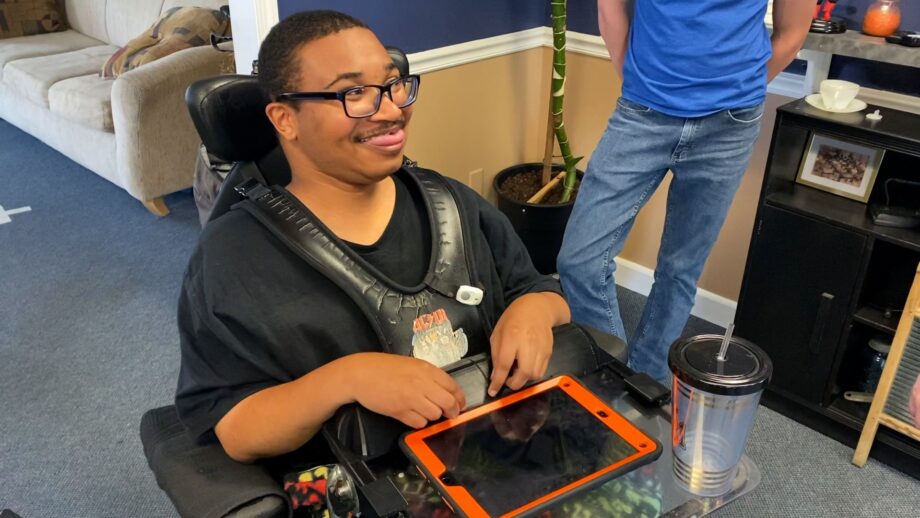
Chris, Jonah and Sullivan designed a range of wheelchair tray accessories for Christian, who has muscular dystrophy.
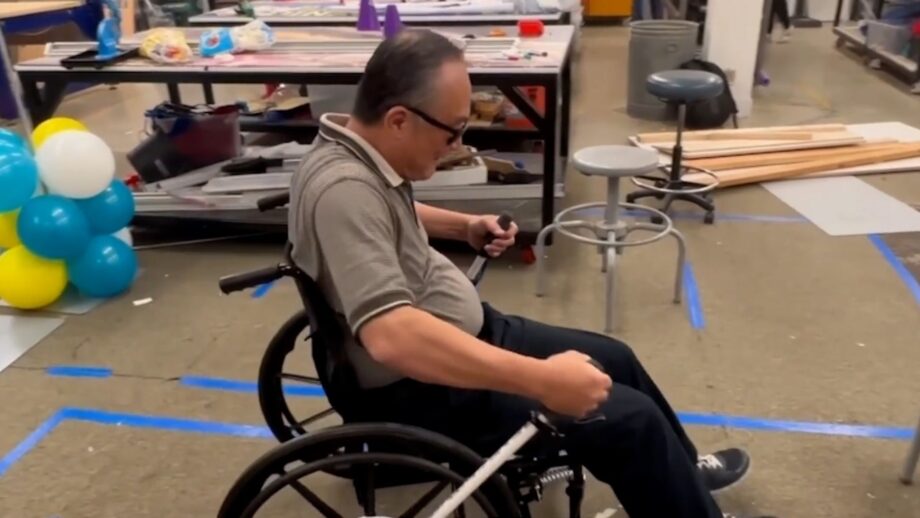
Jessica, Jeffrey and Natalie designed a wheelchair lever for their client Peter. The team went through multiple iterations to come up with a gear solution that decreases the amount of force required to propel the wheelchair.
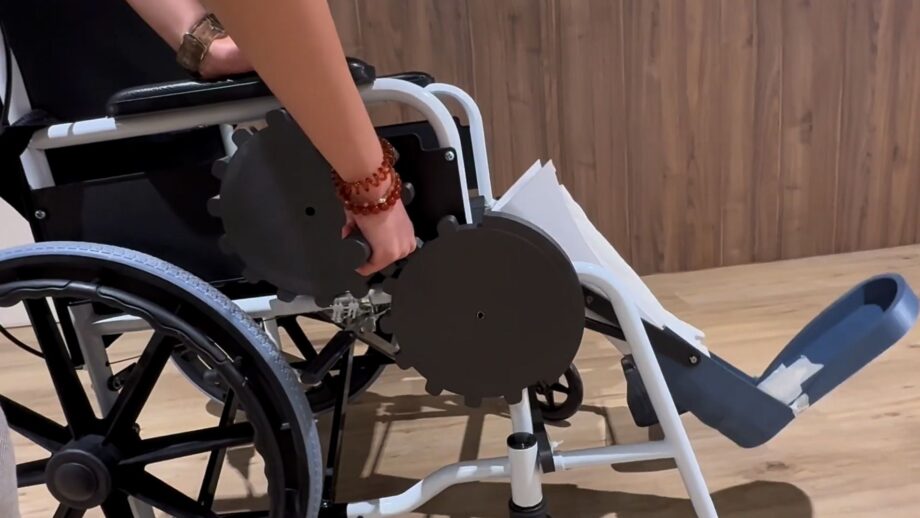
Team NextStep developed a mechanical wheelchair extension with gears and a lever system that allows a user to comfortably elevate her leg, improving circulation and mobility during daily use.
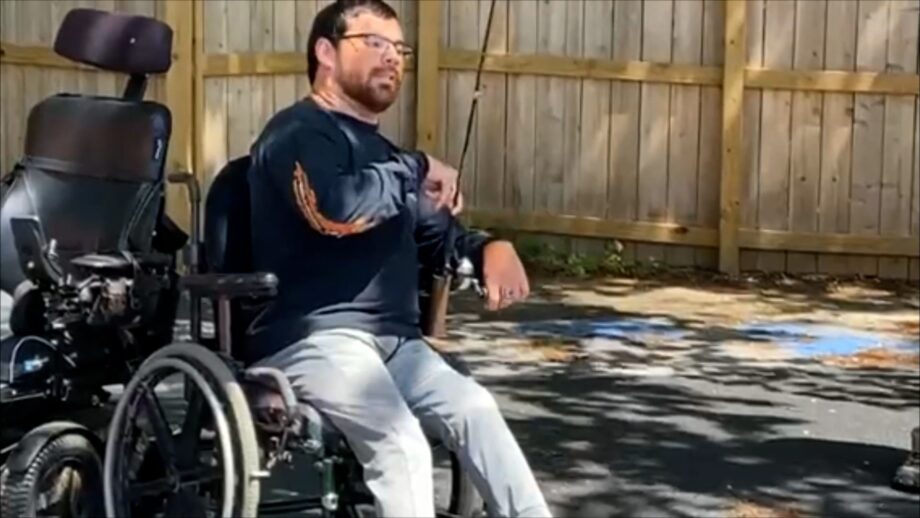
Team Dakota adapted an existing fishing rod to help Dakota, who has cerebral palsy. The 3D printed device features an ergonomic handle, together with a stand that allows the rod to attach to Dakota's wheelchair.
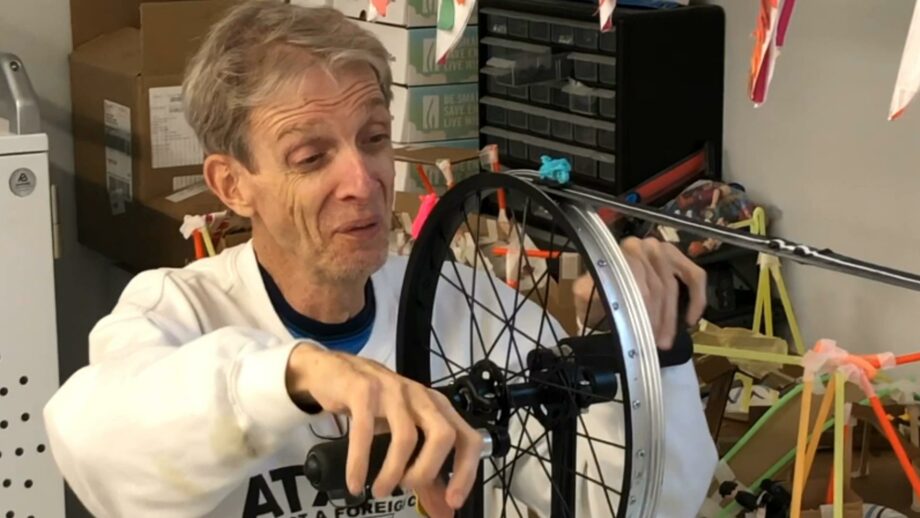
Bill designed a therapy device for his client, Michael. The device is designed to motivate and provide active learning to individuals that use a Brock String and Horizontal Drum due to loss of eye muscle control (i.e. Ataxia).
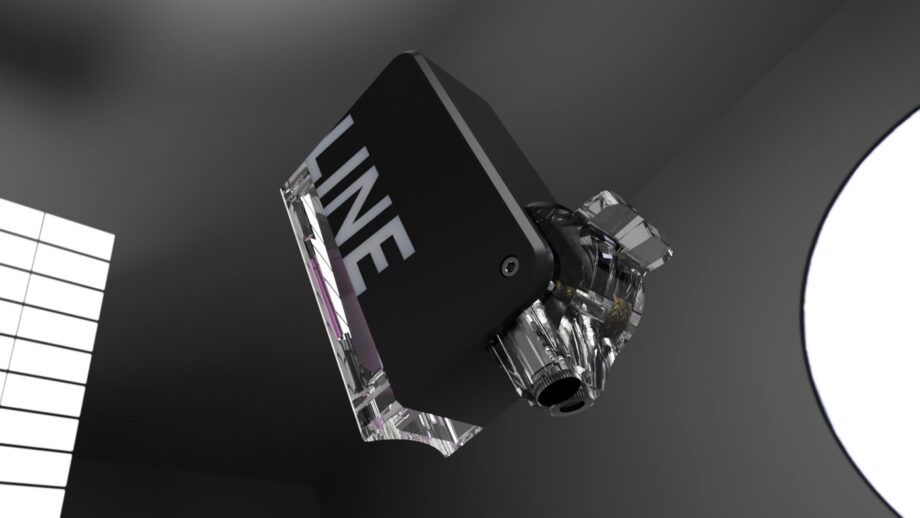
LINE is a line projection device that assists people with freezing of gait, which is a walking condition that prevents people from walking efficiently.
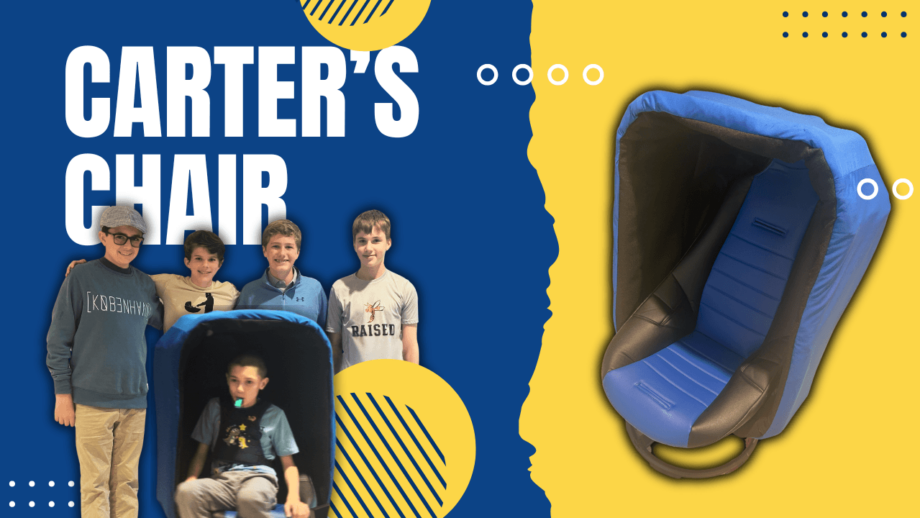
Team Carter designed a sensory egg chair for Carter using 3D printed brackets, a go-kart seat, and PVC tubing—creating a comfortable, calming space tailored to his size and sensory needs.
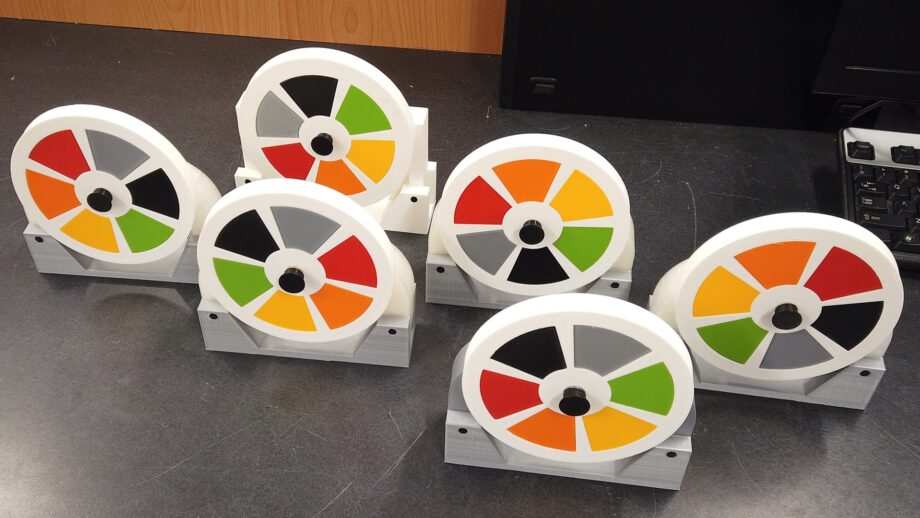
Colleen designed a sensory wheel for her brother, John Paul, that can act as a fidget toy to calm down sensory overload.
Here is a selection of optional resources that you may wish to watch/use, depending on your challenge context and time constraints.
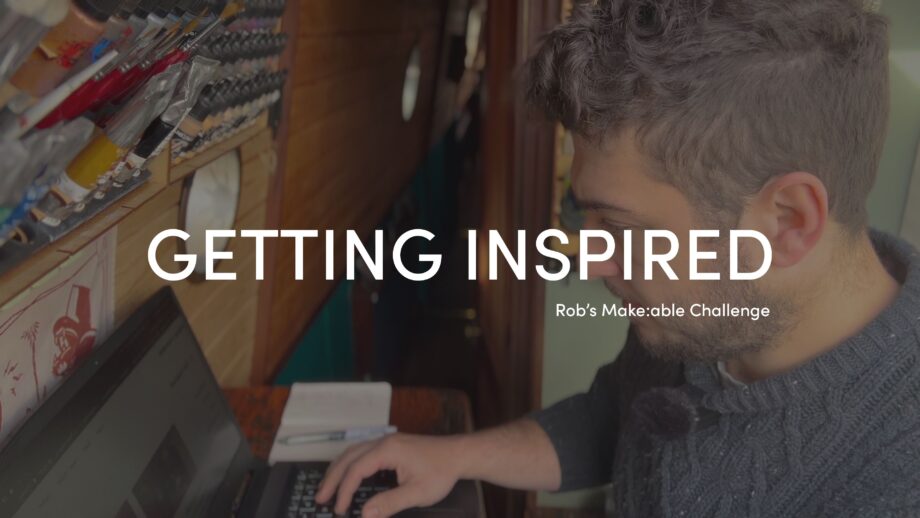
In the next stage of Rob’s Make:able Challenge, he talks about his methods for getting inspired in preparation for designing a solution for Cath.
Makers Making Change connects volunteer makers to people with disabilities who need assistive devices. Their devices are all open source and they have an amazing catalogue to gain inspiration from.
TOM - Tikkun Olam Makers - is a global movement of communities that creates and disseminates affordable solutions to neglected challenges of people living with disabilities, the elderly and the poor. Check out their website to gain inspiration from their community, events and projects.
TechOWL helps people with disabilities explore the tools and technology they need to be independent. Their Instagram page is home to hundreds of reels that showcase amazing 3D printed devices.
Before moving on to the next toolkit, you should have achieved the below objectives.
If you are using the workbook, you can tick these off at the bottom of Section 2, and make note of any key learnings or important things to remember.
Go to Next Toolkit – Skill Building